Craft Fair Christmas Prep Gear for Handmade Sellers 2026
Handmade sellers tooling up for 2026 holiday craft fairs — a Cricut cutter, two heat presses, ceramic ornament blanks, and candy-cane ribbon compared.
This article contains affiliate links. If you purchase through these links, we may earn a commission at no extra cost to you. Learn more.
Quick picks from this guide
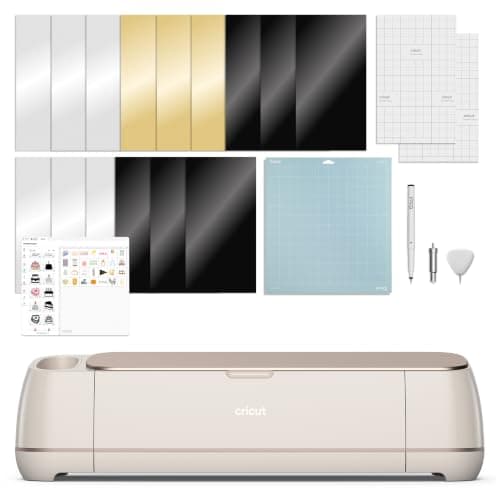
Cricut Maker 4
The cutter is the hub every other purchase orbits, and the Maker 4 is Cricut's flagship.
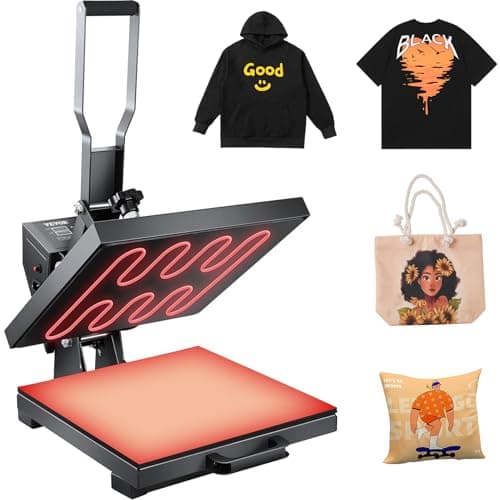
VEVOR Heat Press 15x15
A cutter shapes material; a press bonds it.
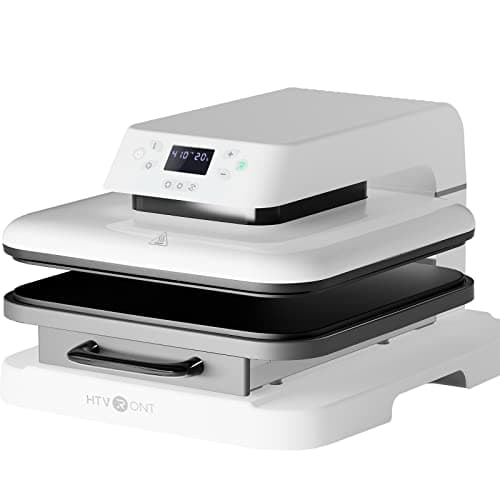
HTVRONT Auto Heat Press 15x15
The HTVRONT Auto press is the step-up, and its published difference is mechanical: it is an auto-open, auto-press machine rather than a man…
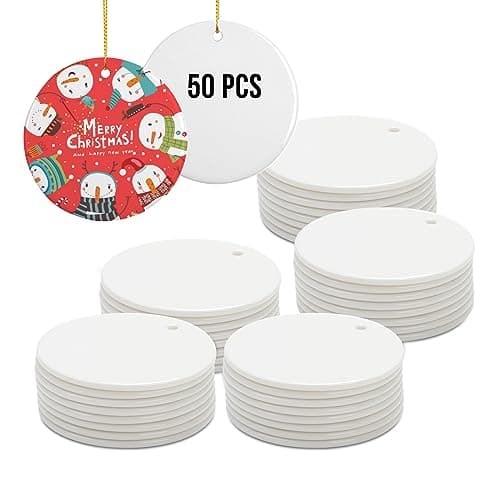
PYD Life Ceramic Ornament Blanks
Ornaments are the natural first product for a Christmas line, and these PYD Life blanks are built for it: 50 pieces of 2.75-inch round cera…
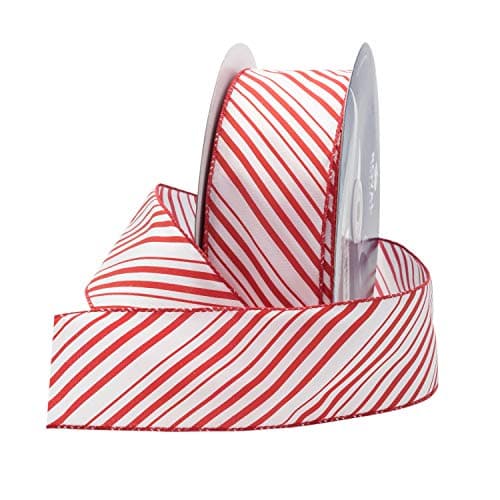
Royal Imports Candy Cane Ribbon
Ribbon is the small line item that makes finished goods look finished.
| Product | Role | Price | Key Published Spec |
|---|---|---|---|
| Cricut Maker 4 | Hub cutter | ~$349.00 | Cuts 300+ materials; 13 tools |
| VEVOR Heat Press 15x15 | Budget manual press | ~$118.99 | 15" x 15" platen, manual clamshell |
| HTVRONT Auto Heat Press 15x15 | Step-up auto press | ~$236.00 | 15" x 15" platen, auto-open mechanism |
| PYD Life Ceramic Ornament Blanks | Sublimation blanks | ~$50.39 | 50 pcs, 2.75" round ceramic |
| Royal Imports Candy Cane Ribbon | Ribbon | ~$15.99 | 2.5" wide, #40 wired |
For a handmade seller, the fall selling season is really won in July. The holiday craft fair a maker hopes to sell at in November is very likely taking applications right now, and the tooling that turns a design into sellable inventory takes weeks to buy, learn, and run at volume. Memphis Crafts & Drafts, one current example, holds its 2026 Holiday Market on "Saturday, November 7th" — but its vendor application closes "Monday, July 20th at 11:59pm," with accepted vendors notified by August 7th and booth payment due August 21st. A seller who waits until the leaves turn to think about production has already missed the table.
The retail calendar agrees. DealNews's tracking of Hobby Lobby notes that "Fall Decor" launches "at 40% off in mid-July" and that "Christmas... hits the floor at 40% off in August." Big-box shelves carry the holiday by high summer — the same window a maker should be producing in, because it marks when holiday shoppers start paying attention. The season begins far earlier than the calendar suggests.
This guide is a tooling-up read for sellers building Christmas inventory now, in the order the work happens: cutter, press, blanks, ribbon. Two honest spending paths run through it. A seller buying a first machine and press should plan on roughly $535 with the manual press — or about $650 with the automatic one — for a cutter, one press, a starter pack of blanks, and a roll of ribbon. A maker who already owns both is just restocking — closer to $75 to $150 once vinyl or HTV joins the blanks and ribbon below. Either way, the same finishing matters once goods are made, so it is worth planning packaging early with a proper gift wrapping stations setup for market day.
Quick Comparison
| Product | Role | Price | Key Published Spec |
|---|---|---|---|
| Cricut Maker 4 | Hub cutter | ~$349.00 | Cuts 300+ materials; 13 tools |
| VEVOR Heat Press 15x15 | Budget manual press | ~$118.99 | 15" x 15" platen, manual clamshell |
| HTVRONT Auto Heat Press 15x15 | Step-up auto press | ~$236.00 | 15" x 15" platen, auto-open mechanism |
| PYD Life Ceramic Ornament Blanks | Sublimation blanks | ~$50.39 | 50 pcs, 2.75" round ceramic |
| Royal Imports Candy Cane Ribbon | Ribbon | ~$15.99 | 2.5" wide, #40 wired |
The two presses share a platen and differ only on mechanism (manual clamshell versus auto-open) and price; neither publishes a cycle time, so this guide never ranks one as faster. Blanks and ribbon are consumables a maker restocks through the season.
The Tooling-Up Picks
1. Cricut Maker 4 — The Hub Cutter
ASIN: B0DTQBZ3J3 | Price: ~$349.00 | View on Amazon

The cutter is the hub every other purchase orbits, and the Maker 4 is Cricut's flagship. Its official page lists "300+ materials, including leather, wood, vinyl, iron-on HTV, cardstock, stickers & so much more" — so one machine cuts the vinyl for ornaments, the cardstock for tags and inserts, and the sticker sheets many sellers add as products. Cricut rates it to "cut and write up to 2X faster than the previous model," working with 13 tools across cutting, writing, scoring, foiling, and engraving, with a maximum cut of 11.7 inches by 12 feet using Smart Materials.
For a maker building ornaments, gift tags, and vinyl goods, that range means the machine grows with the catalog. Cricut publishes no cutting-force figure, so this guide quotes none. On price, it is the single largest line item in a tooling-up basket: both Amazon and Cricut currently charge $349 against a $399 MSRP — Cricut's own site frames that as a machine sale with no posted end date — so plan the basket around $349 while knowing the sticker is promotional framing on a $399 list price.
Pros:
- One machine cuts vinyl, cardstock, iron-on HTV, and much more
- Works with the full Cricut tool set for cutting, writing, and engraving
- Sold new and first-party by Amazon
Cons:
- The largest single expense in a first-time tooling-up basket
- No published cutting-force number to compare against other cutters
- A real learning curve to budget time for before a fair deadline
2. VEVOR Heat Press 15x15 — Budget Manual Press
ASIN: B09RZV9VC4 | Price: ~$118.99 | View on Amazon

A cutter shapes material; a press bonds it. The VEVOR is the budget entry into that second half — a manual clamshell with a 15-inch by 15-inch platen. That size covers a standard tote or shirt front and leaves room to arrange several small items across the plate, so ornaments, patches, and tags can share one heat cycle.
Manual clamshell means the operator sets temperature and timer, then closes and opens the press by hand while watching the clock. It is the most hands-on way to press, and the low price buys attention: the maker is the timer's backstop. VEVOR publishes no cycle time, so this guide makes no speed claim — the honest case is platen size and price.
Pros:
- The lowest-cost way into heat pressing here
- Full-size platen fits totes, shirt fronts, and batches of small items
- Sold new and first-party by Amazon
Cons:
- Manual operation — the maker works each cycle by hand
- No published press-time, so pacing isn't a spec
- One station, so it presses one load at a time
3. HTVRONT Auto Heat Press 15x15 — Step-Up Auto Press
ASIN: B0B6GTVZFH | Price: ~$236.00 | View on Amazon
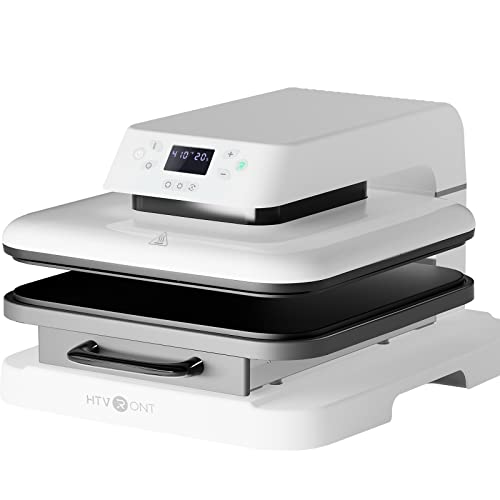
The HTVRONT Auto press is the step-up, and its published difference is mechanical: it is an auto-open, auto-press machine rather than a manual clamshell. On the same platen size, the maker sets temperature and time and the press handles the close-and-release itself, so the dwell no longer depends on the operator watching a timer.
Two honest notes. First, "auto" describes that mechanism, not a proven speed — neither this press nor the VEVOR publishes a cycle time, so this guide calls neither faster; they differ by mechanism and price, not pace. Second, this listing ships from a third-party seller, "Dema store," not Amazon first-party — a normal marketplace arrangement, but check the seller's rating and return terms before buying.
Pros:
- Auto-open, auto-press mechanism releases each cycle on its own
- Same platen size as the budget press
- Auto-open cycle — dwell timing doesn't depend on operator attention
Cons:
- Roughly double the price of the manual VEVOR
- Ships from a third-party seller ("Dema store"), not Amazon first-party
- No published cycle time, so it cannot be called faster than a manual press
4. PYD Life Ceramic Ornament Blanks — Sublimation First Run
ASIN: B0CGHJQQBZ | Price: ~$50.39 | View on Amazon

Ornaments are the natural first product for a Christmas line, and these PYD Life blanks are built for it: 50 pieces of 2.75-inch round ceramic, ready to decorate. Ceramic ornament blanks are specifically sublimation blanks — the intended method is sublimation, covered below — and a pack of 50 is a sensible first run: enough to test designs, stock a small table, and see which patterns sell before committing to more.
One honest caveat on cost: experienced, higher-volume sellers buy blanks and ribbon in bulk from wholesale suppliers below Amazon retail per unit, and this guide earns nothing from that route. Amazon-retail packs like this one suit small-batch, testing, and first-run production, not a hundred-ornament order. For makers who also want to stock finished decorations alongside what they produce, the Christmas tree ornaments & decorating essentials guide covers that side of the table.
Pros:
- Fifty ceramic ornament blanks — a full small-batch first run
- Round 2.75-inch shape suits classic ornament designs
- Made for sublimation, the standard ceramic-ornament method
Cons:
- Wholesale suppliers beat Amazon retail per unit at higher volumes
- Requires a full sublimation workflow (ink and printer), not just a cutter
- One shape and size, so variety comes from artwork, not the blank
5. Royal Imports Candy Cane Ribbon — Finishing Touch
ASIN: B07XH31YNJ | Price: ~$15.99 | View on Amazon

Ribbon is the small line item that makes finished goods look finished. This Royal Imports roll is a 2.5-inch-wide, #40 wired ribbon in a red-and-white candy-cane pattern — #40 is a standard craft-ribbon width designation, and wired edges hold a shaped bow or loop. It multitasks across a Christmas table: it ties onto ornaments and gift bags, finishes packaging for market day, and doubles as bow or accent material for wreaths.
The listing does not publish yardage, so this guide states no length — width and wired #40 construction are the specs on offer. It is the cheapest item on the list, and the one most likely to get restocked mid-season as goods go out the door.
Pros:
- Wired 2.5-inch #40 ribbon holds a shaped bow or loop
- Candy-cane pattern works on ornaments, packaging, and wreaths
- The lowest-cost item in a tooling-up basket
Cons:
- The listing publishes no yardage, so length per roll is unstated
- A single pattern and width — a full table needs variety
- Cheaper per unit from wholesale suppliers at volume
The Fair-Calendar Timeline — Apply, Tool Up, Produce, List
The most useful thing a seller can do in July is work the calendar backward from a fair date. Take the Memphis Crafts & Drafts 2026 Holiday Market: the event runs "Saturday, November 7th," its application closes "Monday, July 20th at 11:59pm," accepted vendors hear back by August 7th, and booth payment is due August 21st. That is the apply stage — and for a November fair, it lands in July.
Tooling up overlaps the wait for acceptance. A machine and press ordered in mid-July arrive and get learned during the same weeks a seller waits on the August notification, so production can begin the moment a booth is confirmed. Etsy's own Seller Holiday Checklist frames the stretch the same way — its August entry reads, "This month is all about getting your business in shape for the busy season." (The checklist is a recurring month-by-month guide; its month labels mark cadence, not a dated deadline.)
Then produce and list: with tools in hand and a booth confirmed by late August, September and October are for making inventory and getting it photographed and listed, so the same stock sells at the fair and on a shop page. Big-box fall décor and Christmas stock reach shelves between mid-July and August, so a maker on this timeline moves in step with shoppers rather than behind them. That mid-summer signal is the same logic behind Christmas in July party hosting — an early-season head start applied to a different table.
Two Ways to Decorate an Ornament — Sublimation vs HTV
A heat press serves two decorating workflows, and a new seller should know both. The ceramic blanks above are sublimation blanks, so start there.
Sublimation transfers dye into a specially coated surface under heat and pressure, and it requires sublimation ink and a sublimation-capable printer to make the transfers — the added equipment beyond press and cutter. Settings are substrate-specific. Sawgrass, a sublimation authority, walks through a ceramic ornament and tells makers to "set the temperature to 400 degrees," set "the time to 120 seconds," and keep pressure "light." HTVRONT's guidance corroborates that hard surfaces run hot and long: "Hard substrates like ceramic mugs, metal plates, or coasters" call for "3-5 minutes at a temperature of 375-400°F (190-205°C)." A ceramic ornament is not a T-shirt — it wants light pressure and a longer, hotter dwell than a fabric transfer.
The other workflow is HTV, or heat-transfer vinyl: the Cricut cuts iron-on HTV — one of the 300-plus materials it handles — into a shape or lettering, and the press bonds it onto a tote, shirt, or apron, with no sublimation printer involved. Many sellers run both — sublimation for ceramic and coated hard goods, HTV for fabric — and a single press handles either, which is why the press is often the shared workhorse of a mixed line.
Last updated: July 2026. Prices may vary on Amazon — check current pricing via the links above.
Frequently Asked Questions
When should a seller start building Christmas inventory?
Earlier than most first-timers expect — the tooling-up window is summer, not fall. But the exact date is set by each fair: some juried shows open in spring and close well before July, so read the specific event's vendor page rather than assume a July deadline. Add extra lead time for learning a new machine, the step beginners most often forget.
Do I need both a Cricut and a heat press?
It depends on the product. HTV and sublimation both need a press, but paper goods — cards, tags, sticker sheets — need only the cutter. A seller making just cardstock ornaments can start with the cutter and add a press later. One edge case: adhesive vinyl decals and stickers need neither heat nor a press, only the cutter and a weeding tool.
Manual press versus auto press — which suits a beginner?
The honest split is budget and attention, not speed, since neither press publishes a cycle time. A manual clamshell costs less and teaches how dwell and pressure feel; an auto-open press costs more and takes the dwell timing out of the operator's hands. For a small first batch the manual press is often the better teacher; the auto press earns its price as volume climbs. Note the auto press ships from a third-party seller, so check its return terms.
Can any heat press sublimate these ceramic ornament blanks?
A flat press can, at the right settings — Sawgrass's ornament example uses 400 degrees for 120 seconds at light pressure. But the press alone isn't enough: sublimation also needs sublimation ink and a sublimation-capable printer to create the transfer first. And shape matters — curved items like mugs need a specialized mug press, so a flat press pairs with the flat round blanks here.
What's the cheapest way to restock if a seller already owns a machine and press?
Just blanks, ribbon, and vinyl or HTV — roughly $75 to $150 depending on how much vinyl is added. The edge case worth knowing: at higher volumes the cheapest restock isn't Amazon at all. Wholesale suppliers beat Amazon retail per unit on blanks and ribbon, so a scaling seller's real low-cost source is a bulk supplier — a route this guide earns nothing from.
Is $349 a sale price on the Cricut?
Technically yes — Cricut's own site lists a $399 MSRP and frames $349 under a machines-on-sale banner — but there is no posted end date or countdown, and Amazon matches the same $349. Any Prime-Day-style exclusives from earlier in the summer have expired, so waiting for a lower figure to "come back" isn't a strategy — $349 is the current price to plan the basket around.